Polish Your Underwater Shots Like a Pro + Removing Backscatter
Introduction
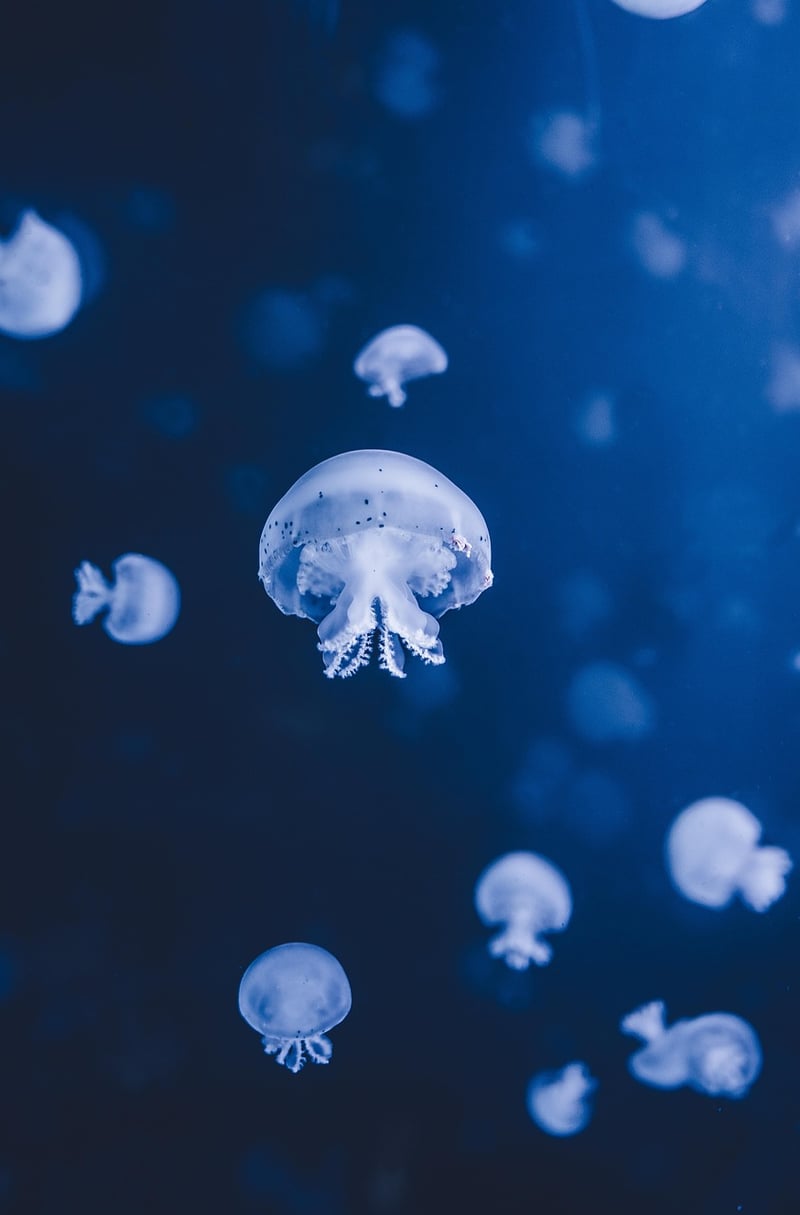
Underwater photography can capture mesmerizing moments beneath the surface, but sometimes, unwanted backscatter can mar your images. In this guide, we'll show you how to enhance your underwater shots like a pro and effectively remove backscatter from your photos.
1. Lighting is Key
Proper lighting is crucial for stunning underwater photos. Natural light or artificial strobes can help illuminate your subject and reduce backscatter. Position your light source to minimize shadows and reflections in your images.
2. Adjust Your Camera Settings
Set your camera to the appropriate white balance and adjust the ISO and aperture settings to suit the underwater conditions. Experiment with different settings to achieve the best results.
3. Get Close and Low
Reducing the distance between you and your subject can minimize the water particles between your lens and the subject, reducing the chances of backscatter. Shooting from a lower angle can also help eliminate backscatter by reducing the amount of water between the camera and the subject.
4. Post-Processing Magic
Use photo editing software like Adobe Lightroom or Photoshop to enhance your underwater images further. Adjust the exposure, contrast, and colors to make your photos pop. You can also use the clone or healing tool to remove backscatter spots from your images.
5. Removing Backscatter
If backscatter still appears in your images, there are specialized tools and techniques to help you remove it. Use the spot healing brush or clone stamp tool in your editing software to paint over the backscatter spots carefully. Adjust the brush size and hardness for precise editing.
6. Practice Makes Perfect
Underwater photography takes practice, so don't get discouraged if your first attempts have backscatter. Keep experimenting with different techniques and settings to improve your skills and capture stunning underwater moments.
Conclusion
With the right techniques and tools, you can polish your underwater shots like a pro and remove backscatter effectively. Remember to focus on lighting, camera settings, composition, and post-processing to enhance your underwater photography skills.
Now, grab your camera, dive into the depths, and capture the beauty that lies beneath the surface!