

Master the Art of Underwater Photography + Lighting Strategies
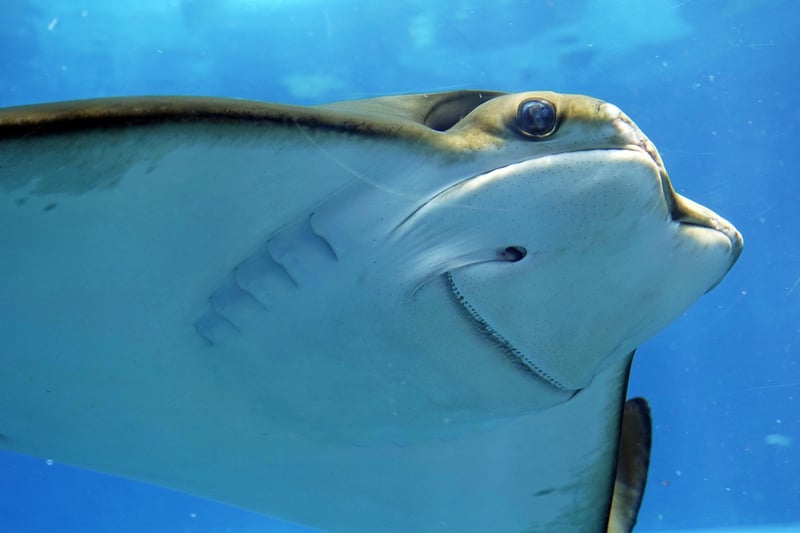
Underwater photography is a captivating and challenging art form that allows you to capture the magical world beneath the surface. To excel in this field, mastering the technical aspects of photography and understanding effective lighting strategies are essential.
1. Equipment Essentials:
Invest in a quality underwater camera or a waterproof housing for your existing camera. Ensure your equipment is suitable for underwater use and provides the necessary controls for manual adjustments.
2. Lighting Techniques:
Light behaves differently underwater, leading to color loss and reduced contrast. To counteract these effects, consider the following lighting strategies:
2.1. Natural Light:
Utilize natural light by shooting during the golden hours (early morning or late afternoon) when the sunlight creates a warm, soft glow underwater.
2.2. Artificial Lighting:
Use external strobes or underwater lights to enhance colors and details in your photos. Position your lights strategically to avoid backscatter and create a more dynamic composition.
3. Composition Tips:
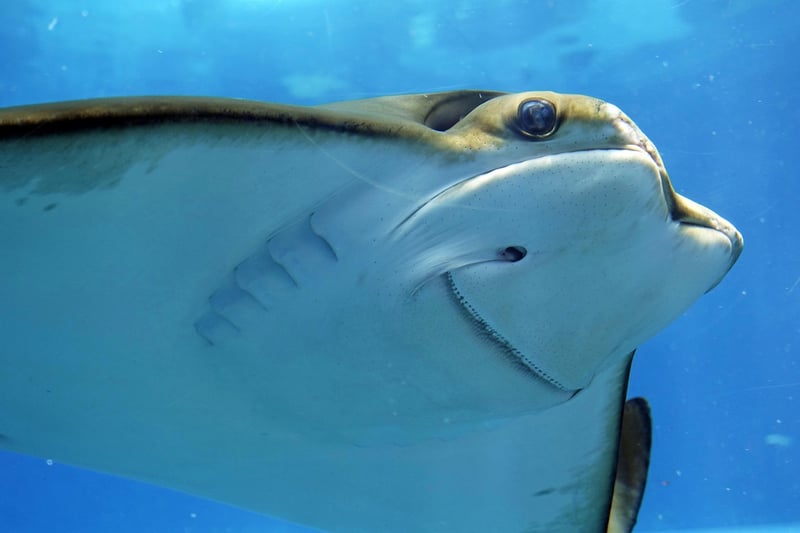
- Get close to your subject to minimize water particles and maximize clarity.
- Experiment with different angles and perspectives to create unique compositions.
- Include elements like corals, fish, or divers to add interest and scale to your photographs.
4. Post-Processing:
Editing software like Adobe Lightroom or Photoshop can help enhance your underwater photos by adjusting colors, contrast, and removing unwanted elements.
5. Practice and Patience:
Underwater photography requires practice and patience to master. Experiment with different settings, lighting techniques, and compositions to develop your unique style.
By combining technical knowledge with creative vision, you can capture stunning underwater images that showcase the beauty of the underwater world.